 Gender: Feminine
Origin: Persian
Meaning: “light of the assembly.”
Urdu spelling شاهزادی روشن آرا بیگم
The name was borne by a Pakistani princess, Roshanara Begum (1617-1671).
She was the second eldest daughter of the Moghul ruler, Shah Jahan.
She is the most renowned woman in Moghul history, known for her exploits with her brother Aurangzeb, who together, seized the throne away from their other incompetent brothers. She was said to be an advisor to her brother.
She was also known for her many sexual liasons and exploits, something which was frowned upon in Islamic society at the time.
Her brother, Aurangzeb, had her imprisoned in her garden palace. She was caught by her brother with another lover, and was sentenced to a slow death by poisoning.
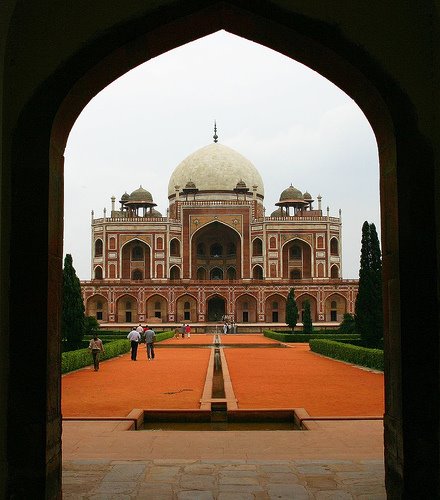
She is buried in the Roshanara Bagh, a garden which she commissioned herself in Delhi.
The British later built a club in the middle of the garden, calling it the Roshanara Club.
(upper left, Roshanara Bagh).
 Gender: Feminine
 Gender: Feminine
 Gender: Feminine
 Gender: Feminine
 Gender: Feminine
 Gender: Feminine
 Gender: Feminine