 Origin: French
Meaning: uncertain
Gender: Feminine
Fr. (KOH-hrah-LEEN); Eng. (CORE-e-LINE)
The name is most likely a French diminutive form of Cora, (Grk. maiden), or Coralie that eventually spun off as an independent given name.
In both France and England, the name has been in use since the early 19th-century.
The French opera by Adolphe Adam Le toréador, ou L’accord parfait (1849) probably helped put this name on the map.
It is also the name of a French genus of apple that was bred for the first time in 2002.
In the Mediterranean, coraline is the name of a type of felucca used to hunt coral.
Its recent usage in the English-speaking world was no doubt brought back to life by Neil Gaiman’s 2002 novel Coraline, which was adapted into a film in 2009. Gaiman claimed that the character’s name was originally meant to be Caroline, but Coraline was a typo that just stuck.
Alternately, if spelled Coralline it is the name of a genus of red algae.
Another form is the Italian Coralina and the Russian and Polish form, albeit rare, is Koralina Коралина.
The name has also been in use in the Netherlands since the 19th-century.
Coraline has been in the U.S. Top 1000 Most Popular Female Names since 2012 and is currently the 602nd most popular female name in the United States (2016).
Sources
- https://www.behindthename.com/name/coraline/submitted
- https://www.familysearch.org/
- https://fr.wikipedia.org/wiki/Coraline_(homonymie)
- http://pomologie.com/pomme1/fpommes/coraline/coraline.html
- https://www.ssa.gov
- https://ru.wikipedia.org/wiki

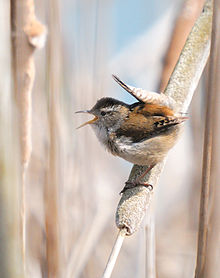 The name comes directly from the name of a type of bird. Its English name is from the Anglo-Saxon wrenna, which is of uncertain meaning.
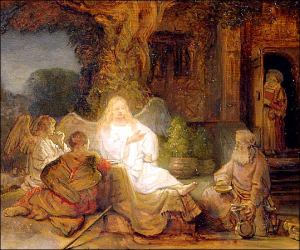 Origin: Hebrew
 Below is a list of names I created either associated with the winter months or with Christmas
 Here are names that appear in the Top 1000 Most Popular Names in France between 1920-1930. This is not an exhaustive list or even popular names used during the time. I handpicked names that personally jumped out at me. During this time, France experienced a lot of immigration of Spain, Italy and Poland, that is why you will see odd spellings of various Italian, Spanish and Polish names. Wdyt?
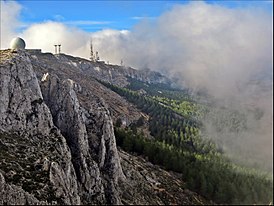 Origin: Spanish
 Origin: Sanskrit
 It seems like a modern place-name, but the name actually has been in use since at least the 15th-century. There are records of Viennas and Vienas in late Medieval/early Renaissance Italy Most sources believe that in these cases, the names are in fact related to the place.