Sæbjørn

Gender: Masculine
Origin: Old Norse
Meaning: “sea-bear.”
(SYE-byern)

The name is composed of the Old Norse elements, saer (sea) and bjørn (bear).

As of 2010, Sæbjørn is the 8th most popular male name in the Faroe Islands.

Other forms of the name include:

  • Sæbjørn (Faroese/Norwegian/Old Norse)
  • Sæbjörn (Icelandic)
  • Sebjørn (Norwegian)
  • Sebjörn (Swedish)

Runar

Gender: Masculine
Origin: Old Norse
Meaning: “secret army.”
(ROO-nar)

The name is composed of the Old Norse elements, rún (secret; lore) and herr (army).

As of 2010, its Faroese and Icelandic form of Rúnar was the 8th most popular male name in the Faroe Islands.

Ryynari is the Finnish form.

Rógvi

Gender: Masculine
Origin: Old Norse
Meaning: “famous fighter.”
(ROGUE-vee)

The name is a Faroese form of an Old Norse male name, Hróðvér, which is composed of the elements, hrod, (fame) and ver (fighter).

As of 2010, Rógvi was the 8th most popular male name in the Faroe Islands.

Other forms of the name include:

  • Roir (Danish: archaic)
  • Hróðvér (Old Norse)
  • Hróir (Old Norse)

Regin

Gender: Masculine
Origin: Old Norse
Meaning: “advise; counsel.”
(REH-geen)

The name is derived from the Old Norse, regin (advise; counsel).

The name is borne in Norse Mythology by a dwarf, the foster father of Sigurd. Regin goads Sigurd into killing Fafnir (Regin’s brother). Sigurd kills Fafnir with his sword, Gram, he tastes the juices of Fafnir’s heart which gives him the capability to read minds, Sigurd is able to detect that Regin is planning to kill him, so Sigurd chops the dwarf’s head off with Gram.

As of 2010, Regin was the 8th most popular male name in the Faroe Islands.

Other forms of the name include:

  • Rein (Dutch/Estonian/Frisian/German)
  • Rien (Dutch)
  • Regin (Faroese/Old Norse/Scandinavian)
  • Reginn (Icelandic/Old Norse)
  • Rögn (Icelandic)

Øssur

Gender: Masculine
Origin: Old Norse
Meaning: “answer.”
(EUS-ser)

The name is derived from the Old Norse, andsvara, meaning, (answer).

As of 2010, Øssur was the 8th most popular male name in the Faroe Islands.

Other forms of the name include:

  • Øksur (Faroese)
  • Øssur (Faroese)
  • Assar (Finnish/Norwegian/Swedish)
  • Asser (Finnish/Scandinavian)
  • Asseri (Finnish)
  • Össur (Icelandic)
  • Özur (Icelandic)
  • An(d)svarr (Old Norse)
  • Ansurr (Old Norse)
  • Sasser (Swedish)

Odd

Gender: Masculine
Origin: Norwegian
Meaning: “spear point.”

No, this isn’t a belated April Fool’s joke, Odd is actually a common male name in Norway, though far more common among the older generation.

It is derived from the Old Norse male name, Oddr, meaning, “spear point.”

As of 2010, Odd was the 8th most popular male name in the Faroe Islands.

Other forms of the name include:

  • Odd (Faroese/Norwegian)
  • Oddur (Faroese/Icelandic)
  • Oddr (Old Norse)
The name is borne by several famous Norwegians, including, Odd Nerdrum (b.1944) a famous figurative painter. It also appears as the name of the protagonists in Dean Koontz Odd Thomas series.

Ingmar

Gender: Masculine
Origin: Old Norse
Meaning: “famous Ing.”
(ING-mahr)

The name is composed of the Nordic elements, Ing, the name of an obscure Germanic god, and mar (famous).

As of 2010, Ingemar was the 8th most popular male name in the Faroe Islands, while Ingmar came in as the 496th most popular male name in the Netherlands, (2010).

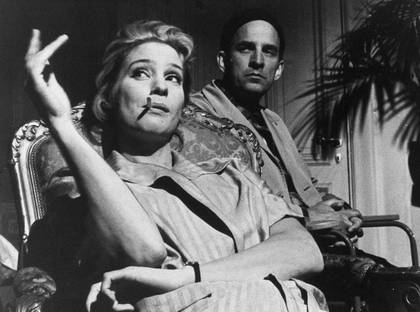
The name was borne by Swedish film director, Ingmar Bergman (1918-2007).

Other forms of the name include:

  • Ingimar (Danish/Faroese/Icelandic)
  • Ingmar (Dutch/Estonian/French/German/Scandinavian)
  • Ingemar (Estonian/Faroese/Scandinavian)
  • Ingomar (German)
  • Ingemor (Norwegian)
  • Ingemår (Norwegian)
  • Ingimarr (Old Norse)

Unna

Gender: Feminine
Origin: Old Norse
Meaning: “to love.”
(EW-nah)

The name comes directly from the Old Norse verb, unna, meaning, “to love.”

As of 2010, Unna was the 8th most popular female name in the Faroe Islands.

Other forms of the name include:

  • Unna (Faroese/Icelandic/Scandinavian)
  • Udna (Norwegian)

A masculine form is Unne.

Halldis

Gender: Feminine
Origin: Old Norse
Meaning: “stone goddess.”
(HAHL-dees)

The name is composed of the Old Norse elements, hallr (stone) and alternate explanation is that the first element may also be from the hallr which means (hill). The second elements is from the Norse, dis, meaning, (goddess; female supernatural being).

As of 2010, Halldis was the 8th most popular female name in the Faroe Islands.

Other forms of the name include:

  • Halda (Danish/Faroese/Swedish)
  • Halldis (Faroese/Norwegian/Old Norse)
  • Halldís (Icelandic)
  • Haldis (Norwegian/Swedish)