 Gender: Feminine
Origin: Finnish
Meaning: “maiden.”
(EEM-pee)
The name comes from an old Finnish poetic word for a maiden.
Its Estonian cognates are Imbi and Imme.
The designated name-day is June 11 in both Estonia and Finland.
Sources
Gender: Feminine
Origin: Finnish
Meaning: “maiden.”
(EEM-pee)
The name comes from an old Finnish poetic word for a maiden.
Its Estonian cognates are Imbi and Imme.
The designated name-day is June 11 in both Estonia and Finland.
Sources
 Gender: Masculine
Origin: Norwegian/Old Norse
Meaning: “black bear; coal bear.”
(KOLE-byern)
The name is composed of the Old Norse elements, kol (coal) possibly referring to blackness and bjorn meaning “bear.”
Other forms include the Norwegian Kolbeinn and the Swedish Kolbjörn.
The designated name-day in Norway is June 9.
Sources
Gender: Feminine
Origin: Swedish
The name is composed of the Swedish names, Sol and Britt. It was a popular compound female name in the 1960s, but is now considered rather dated. It first appears in Sweden in 1906.
The designated name-day is June 4.
Other forms include:
Sources
Gender: Feminine
Origin: Swedish
Meaning: May defender; May careful.”
(MY-vor)
The name appeared in usage in Sweden around the 18th-century. It appears to be composed of the elements Maj (the month of May) and the suffix -vor, a common Norse element in many female names possibly being derived either from 1) vår (careful) or 2) warjar (defender).
The designated name-day in Sweden is June 8.
Sources
Gender: Masculine
Origin: Finnish
Meaning: “first.”
The name is derived from the Finnish ensi meaning “first.”
The designated name-day is June 9.
Sources
 Gender: Feminine
Origin: Estonian
The name is either an elaborate feminine form of Henry (Estonian male names Ent, Endo), or it is most likely taken from the name of a place in Estonia. It is both the name of a lake and nature preserve. Lake Endla is quite often referenced in Estonian folk poetry.
The masculine version is Endel.
Other feminine forms include: Enda, Enna and Enn.
The designated name-day is June 8.
Sources
 This week’s entry, we shall explore the names of the vikings!
The language of the Vikings was Old Norse, a Northern Germanic language which boasted its own alphabet: runes!
The most closely related modern languages are Icelandic and Faroese, followed by Danish, Norwegian, Swedish, Frisian and even English.
There really was not much to Old Norse naming conventions, names were either composed of compounds referencing warfare or the gods, or were names taken directly from religion and nature. The Norse did have an interesting surname system, where every child was known by their father’s (and sometimes even their mother’s) first name followed by the suffix of -son or -dóttir (depending on their gender of course). Hence Eiríkr son of Ðorir might be known as Eiríkr Ðorirsson.
When you think of the Vikings, you will probably evoque names like Brynhilda, Hagar, Helga and Bertha. These names might be completely unrevivable, lacking any redeeming qualities whatsoever. However, many Anglophone take for granted how much of an impact Old Norse has had on our language and yes even baby names. In fact, in the U.S. top 1000, Viking names abound! Examples include:
Females:
This is even more evident in the British top 100:
Female
Of course, in the Scandinavian countries, the influence 0f their earliest ancestors is especially striking. Their top names for example:
Denmark
Female
Male
Faroe Islands
Female
Iceland
Female
Males
Norway
Female
Males
Sweden
Females
Male
The Norse often used names from religion, e.g. (children could be named for gods), from relatives (a son may be named for a father or grandfather) or sometimes even attributes characteristic of an animal (Hrafn-Raven).
Below is a list of Viking names compatible in modern society, note, many of these names are still in usage in Iceland and even in some Scandinavian countries.
Cool Norse Alternatives to Popular Names
Instead of Addison==============Adis
Instead of Bailey===============Beyla
Instead of Brynn/Brianna============Brynja
Instead of Delaney================Daney
Instead of Elizabeth==============Ellisif
Instead of Emma================Edda
Instead of Freya================Frigga
Instead of Harper===============Harpa
Instead of Hayden===============Hedin
Instead of Hayley===============Halla
Instead of Katherine/Kate/Caitlin====================Katla
Instead of Matilda===========================Hilda
Instead of Owen=======================Odin
Instead of Regan===================Ragna
Instead of Sydney=================Signy
Female Names Compatible with English
Cool Old Norse Nature Names
Male
Female
Male Names Compatible with English
Cool Mythological Names Compatible for Modern Society
Female
Sources
 Gender: Feminine
Origin: Estonian
Meaning: “violet; pansy.”
(KAHN-nee-ke)
The name comes directly from the Estonian word, kannike, meaning “pansy; violet.”
The designated name-day is June 2nd.
Another form is Kanni.
Sources
Gender: Feminine
Origin: Turkish
Meaning: “spring.”
(puh-NAHR)
Pronunciation can be heard here: http://www.forvo.com/search/Pinar/tr/
The name is derived from the Turkish meaning, “spring; fountain.”
Sources
 Gender: Feminine
Origin: Estonian
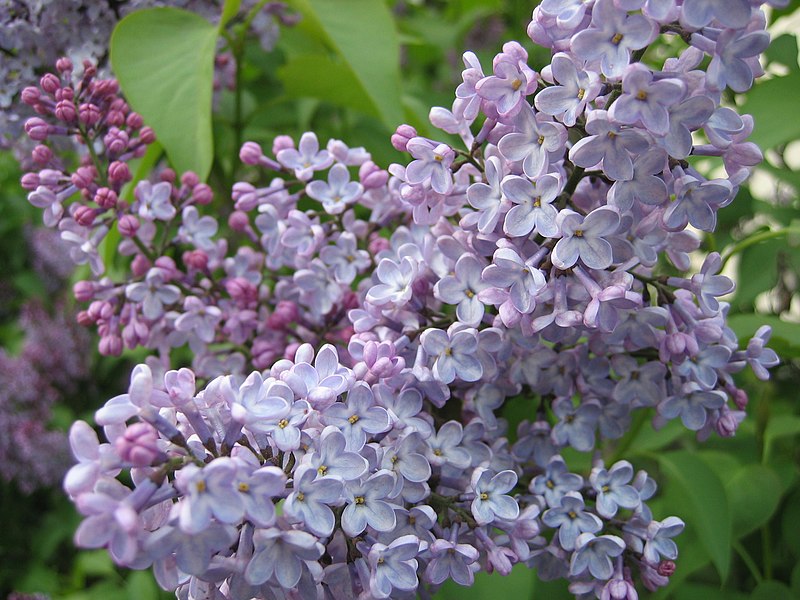
Meaning: “lilac”
(SEE-re-lee)
The name is possibly derived from the Estonian word sirel meaning, “lilac.”
It has also been connected to the Estonian, Sirje.
Other forms of the name include: Sirelin, Sirle and Sirli.
The designated name-day is June 1.
Sources
.JPG)